
Products
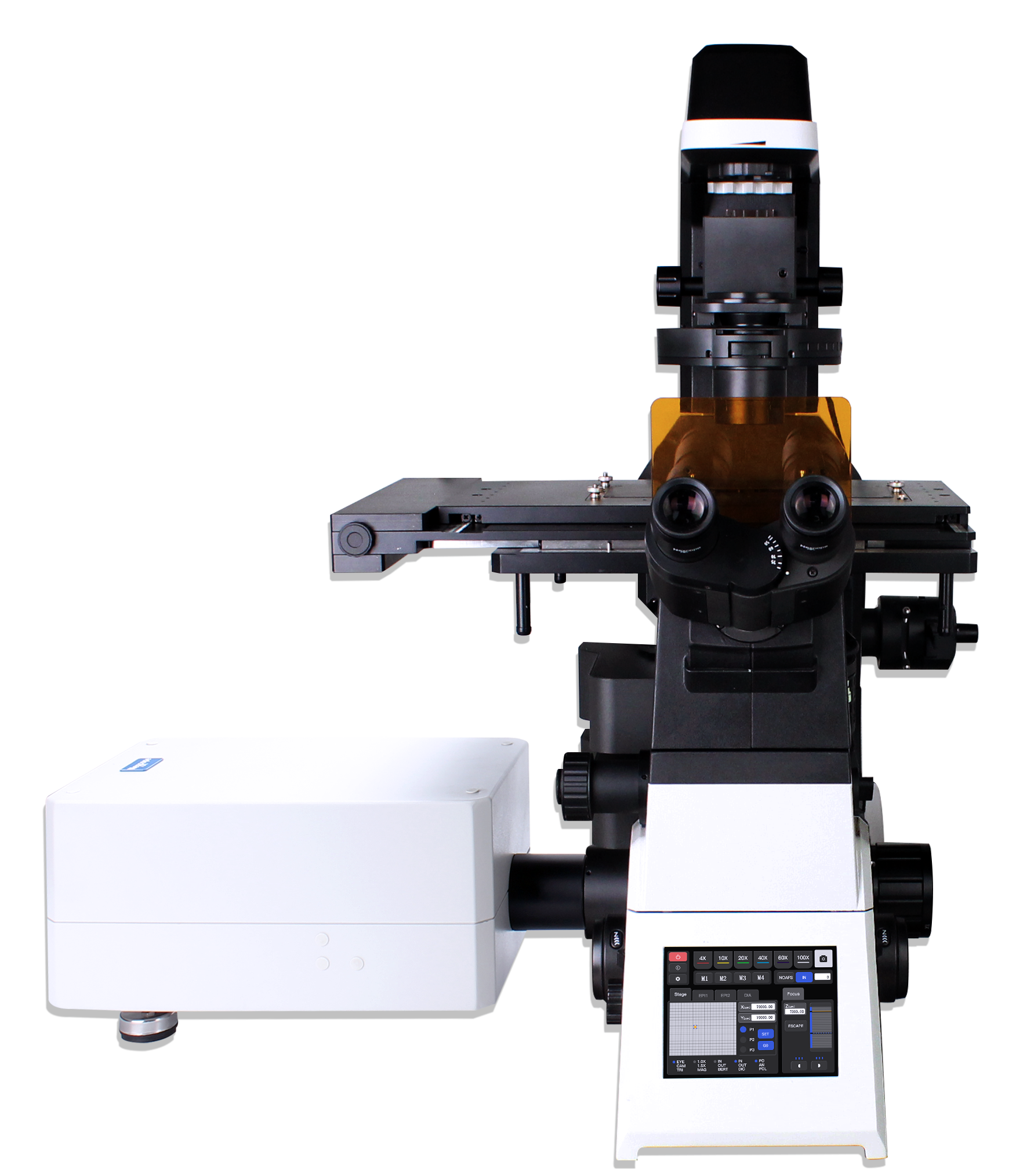
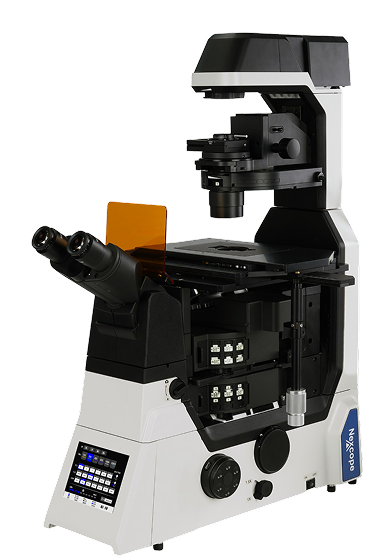
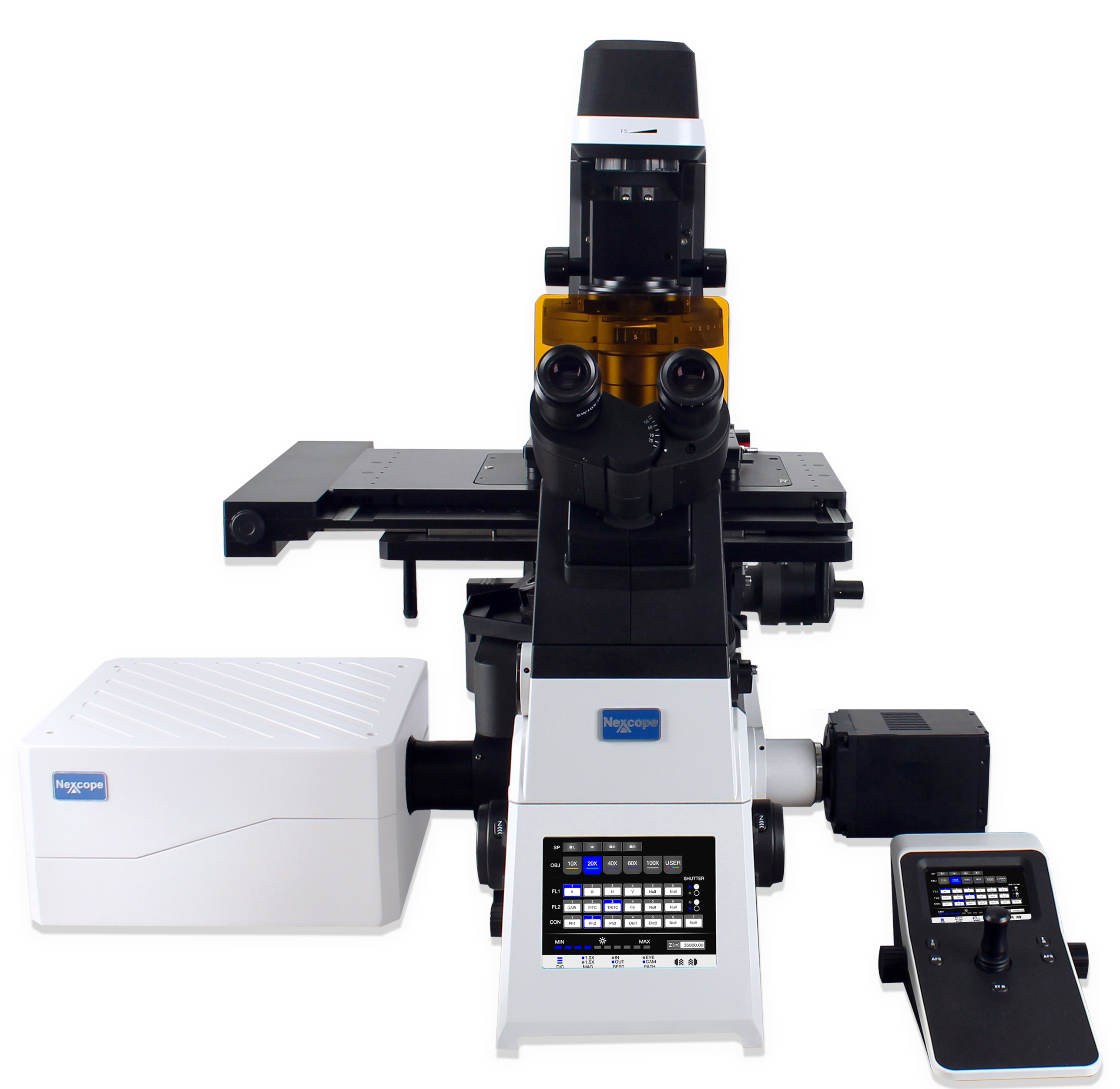
As life‑science research advances toward deeper dimensions and broader scopes, high‑efficiency imaging technology has become a core driver for scientific breakthroughs. Capturing images of large‑size specimens requires not only expanded imaging coverage but also drastically shortened acquisition time, so as to precisely record intracellular dynamic responses. A full‑scale upgrade over the NCF1000, the NCF2000 laser confocal microscope is built to meet the extreme demands for high‑throughput, high‑quality imaging in modern biological research.
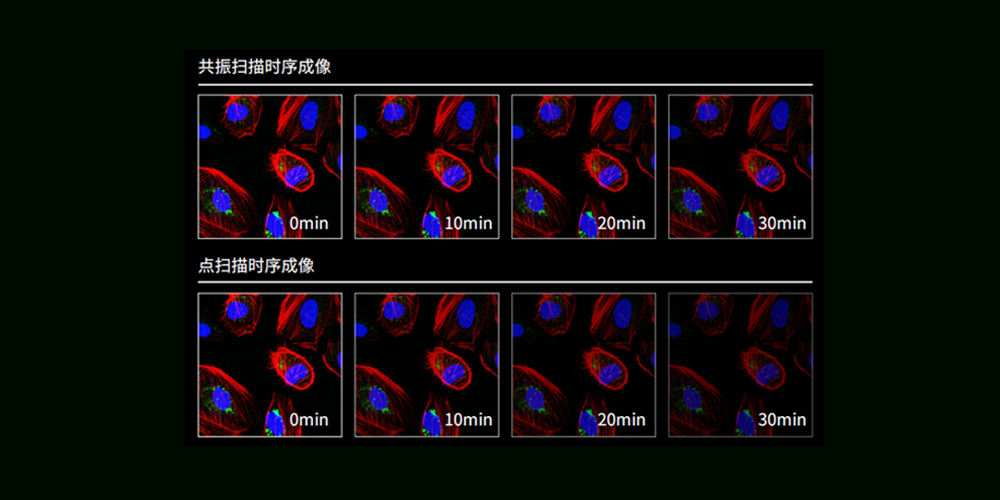
High‑speed Resonant Scanning
Resonant‑scan technology delivers ~20× faster speed, lowering photodamage for long‑term live‑cell observation.
Fast High‑definition Imaging
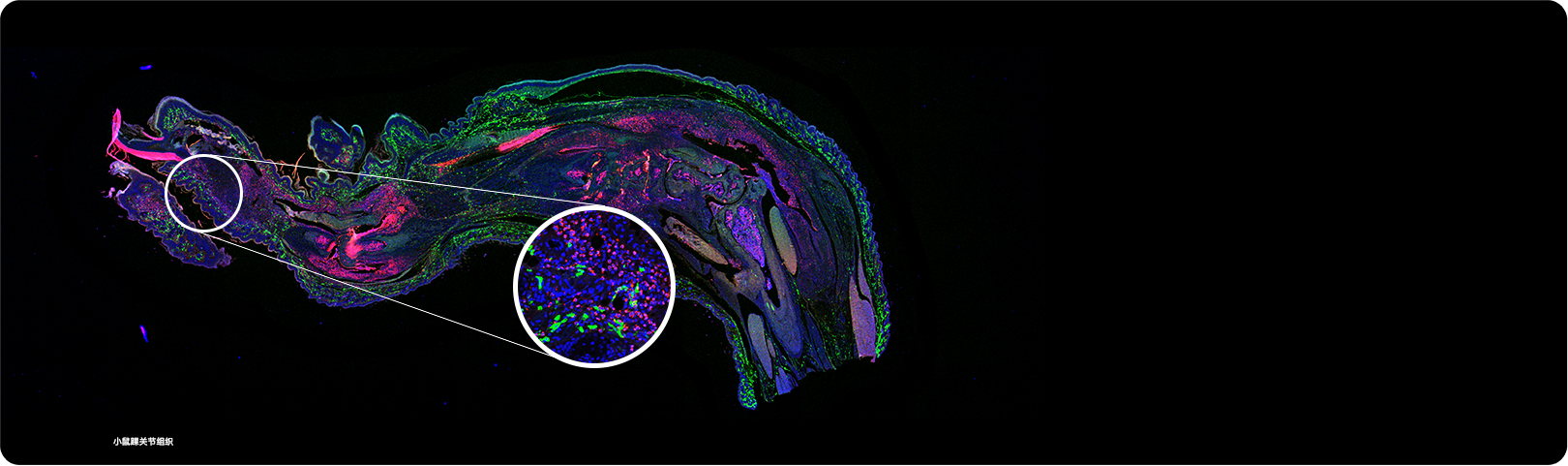
Supports rapid 8K×8K imaging; premium optics capture subtle specimen details.
Gentler Imaging for Live‑cell Samples
Reduced laser exposure preserves cell viability, enabling fast dynamic recording and long‑term time‑lapse for drug and microplate screening.

High‑speed Resonant Scanning
Resonant‑scan technology delivers ~20× faster speed, lowering photodamage for long‑term live‑cell observation.
Fast High‑definition Imaging
Supports rapid 8K×8K imaging; premium optics capture subtle specimen details.
Gentler Imaging for Live‑cell Samples
Reduced laser exposure preserves cell viability, enabling fast dynamic recording and long‑term time‑lapse for drug and microplate screening.

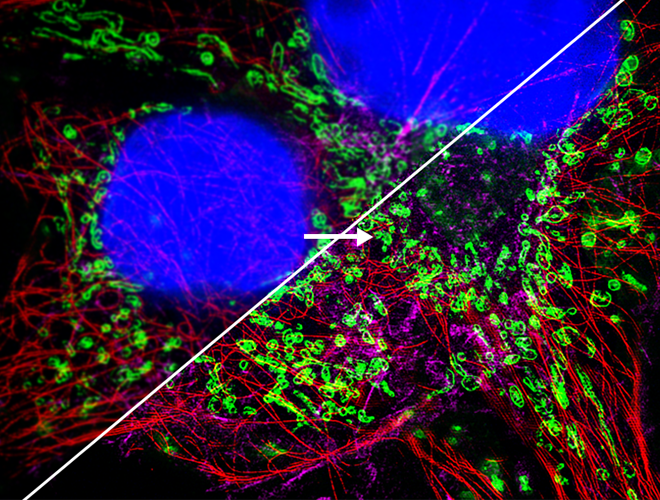
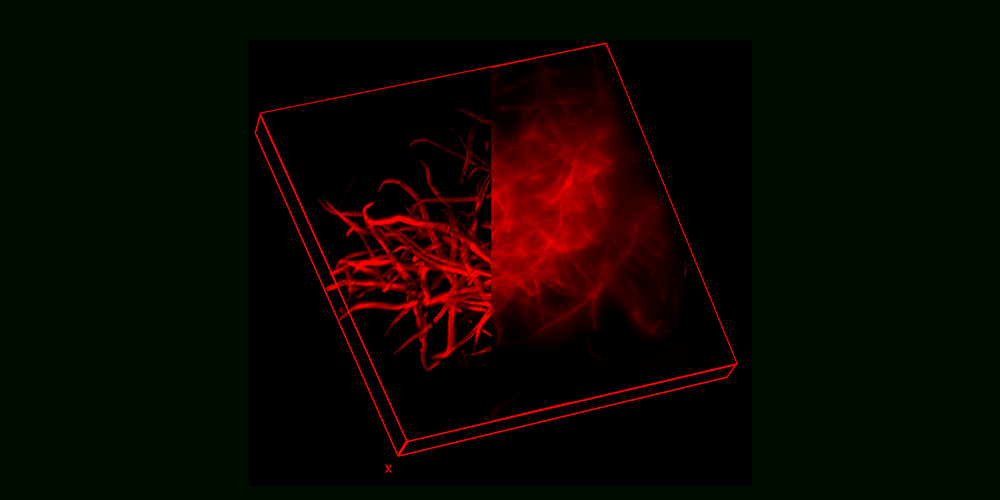
Conventional Detector Imaging
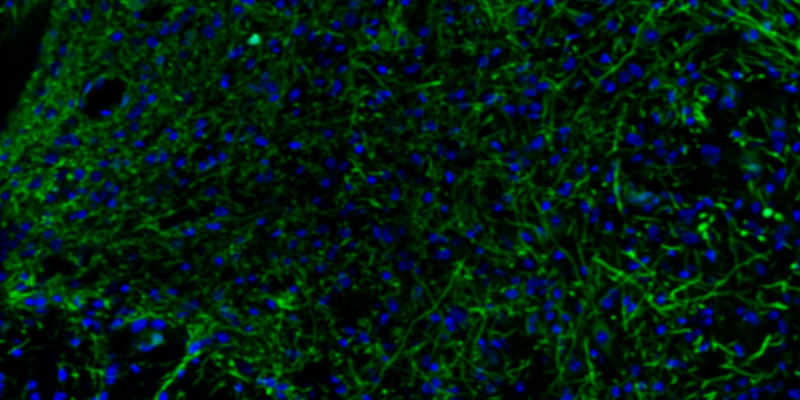
Limited capability for capturing faint fluorescence signals, often resulting in weak signals, high noise and blurry outputs. Low resolution makes it difficult to clearly resolve fine microstructures; tiny features are easily lost, failing to satisfy imaging requirements for weak‑signal and high‑detail samples.

Array‑based Detector Imaging
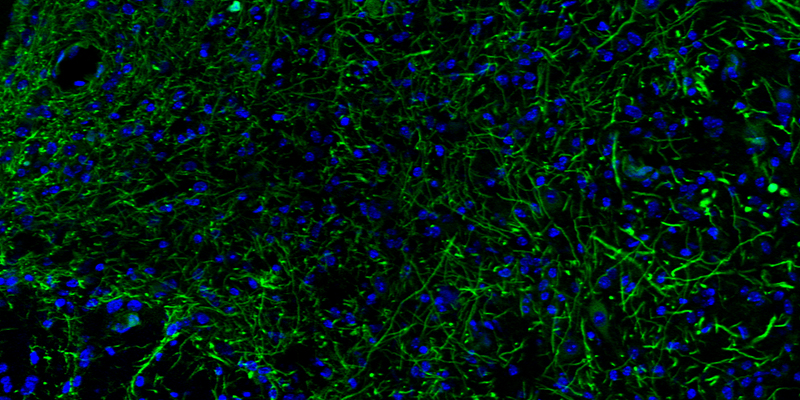
Accurately captures extremely faint fluorescence signals for crisp, detail‑rich imaging. High resolution resolves specimen microstructures with fine granularity, rendering minute features clearly visible.

High Fluorescence Collection Efficiency
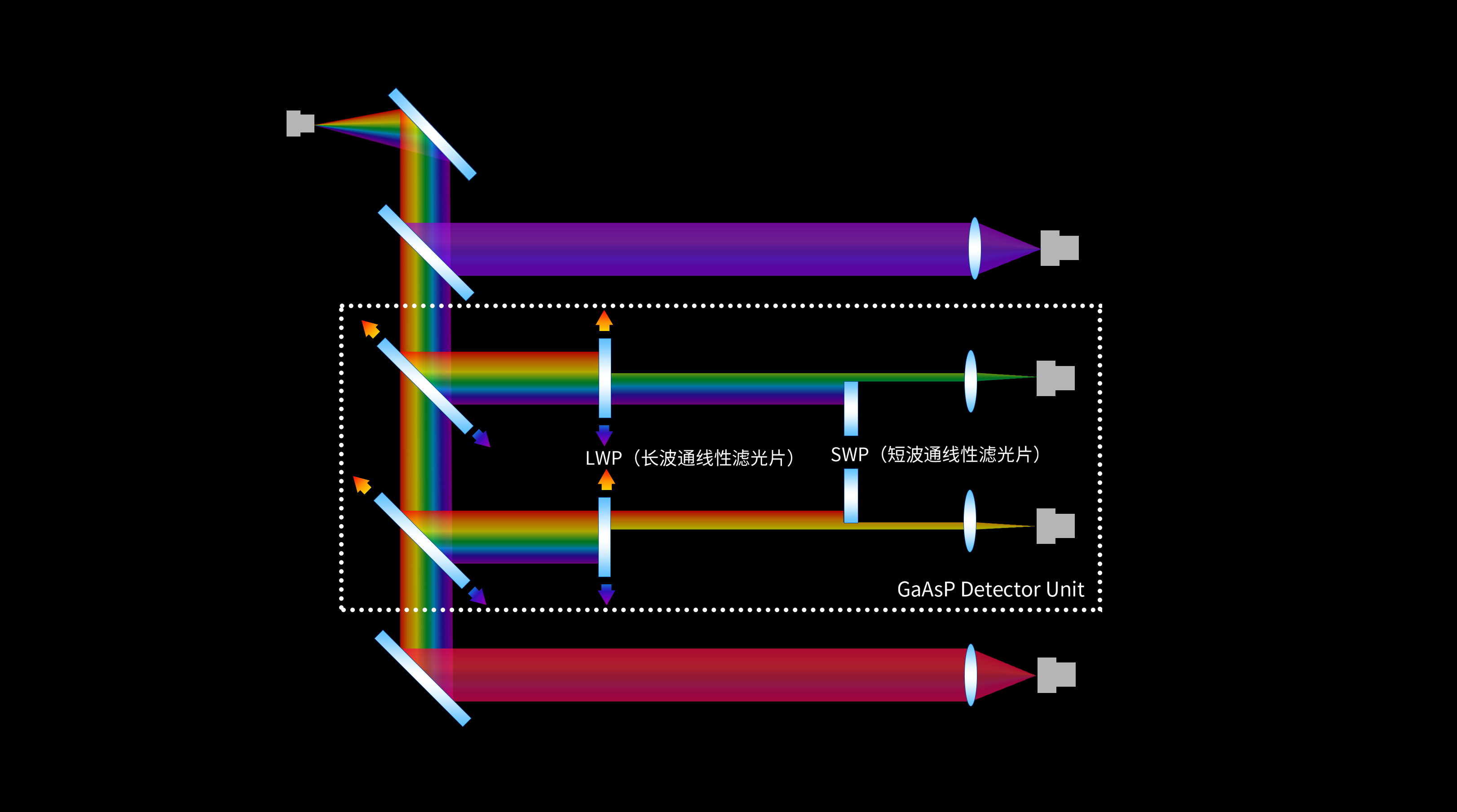
Equipped with GaAsP photomultiplier tubes (PMTs), the NCF2000 improves fluorescence collection efficiency, allowing observation of faint‑fluorescence samples that are hard to detect with conventional methods. The system supports up to four distinct spectral channels for effective spectral decomposition of sample‑emitted fluorescence. It achieves spectral resolution ≤ 2 nm, suppresses background noise under low‑excitation‑light conditions, and delivers outstanding multi‑color confocal imaging performance.

Spectral‑unmixing Function
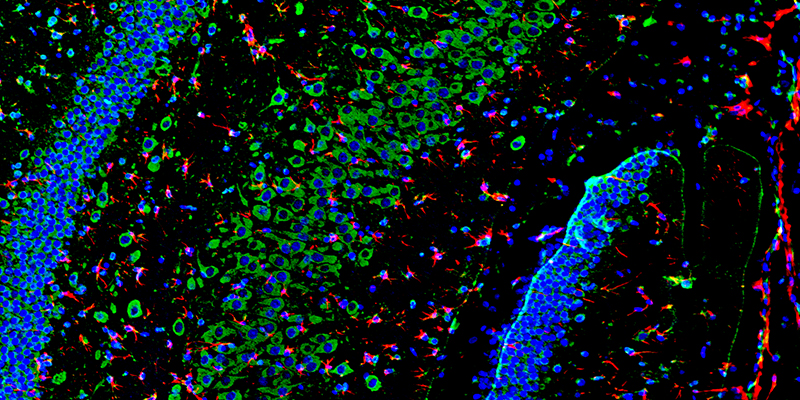
It performs spectral decomposition on fluorescence emitted from samples to obtain fluorescence images and spectral information at different wavelengths. This enables differentiation of substances with distinct fluorescence‑emission profiles, even when they appear visually similar under conventional light microscopes. Spectral‑feature analysis supports identification and characterization of specific chemical components or biomolecules within specimens.

Nomis Pro X‑C
High‑speed Hardware Control: Provides streamlined digital management and precise control of multiple motorized components inside the microscope.
Multi‑dimensional Imaging & Image Display: Supports combined X, Y, Z, λ, T scan modes, with multiple flexible built‑in shooting presets.
Deconvolution: Performs deblurring for 2D images. Multiple rounds of deconvolution can be applied to eliminate shot‑noise components in confocal images.

Nomis Pro X‑C
High‑speed Hardware Control: Provides streamlined digital management and precise control of multiple motorized components inside the microscope.
Multi‑dimensional Imaging & Image Display: Supports combined X, Y, Z, λ, T scan modes, with multiple flexible built‑in shooting presets.
Deconvolution: Performs deblurring for 2D images. Multiple rounds of deconvolution can be applied to eliminate shot‑noise components in confocal images.

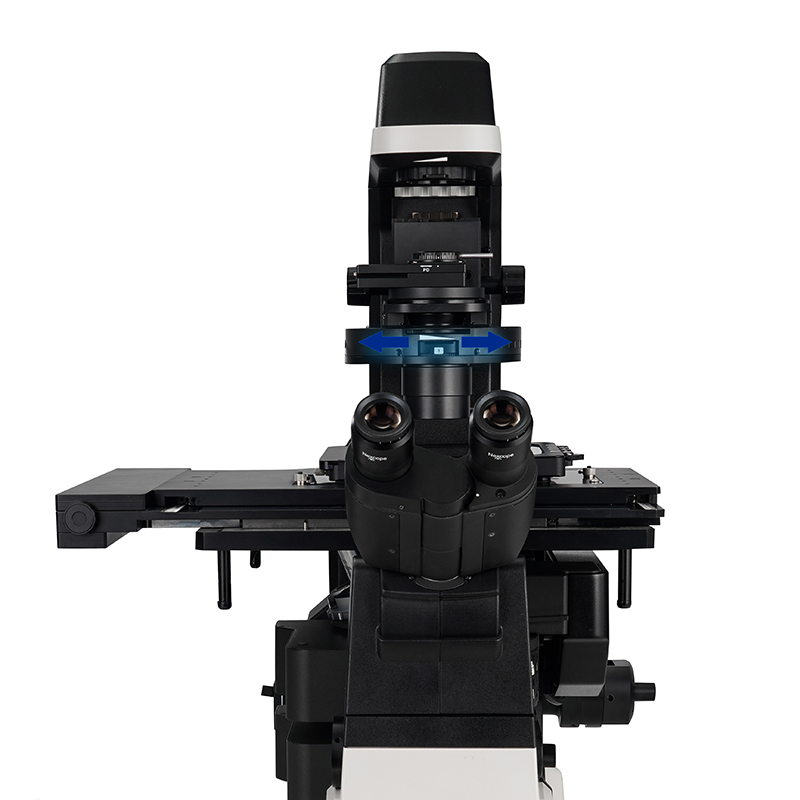
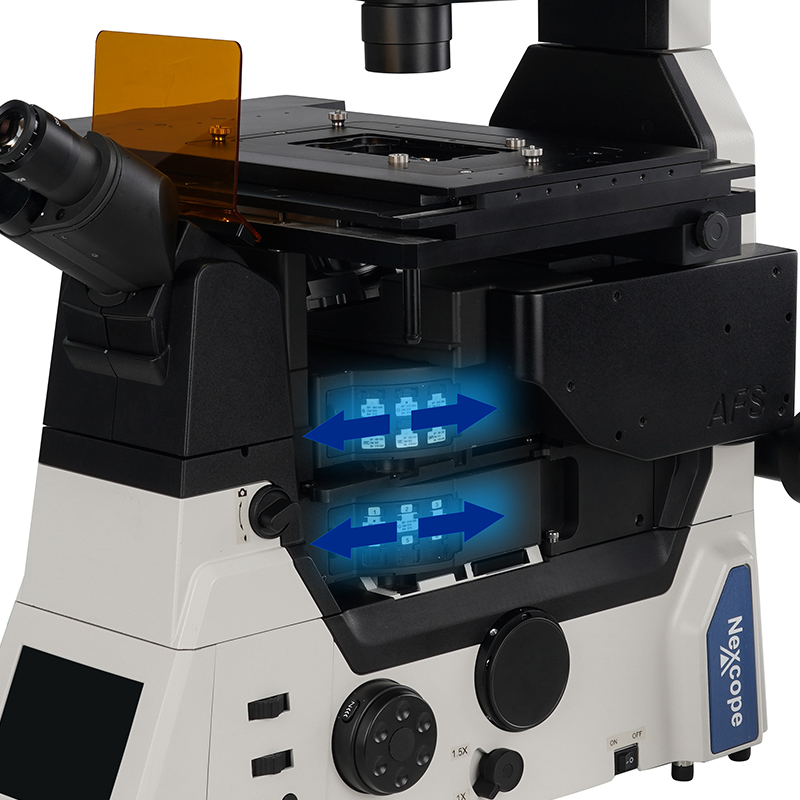
Filter blocks:
Faster switching response and higher positioning accuracy, enabling quick transitions between different observation modes.

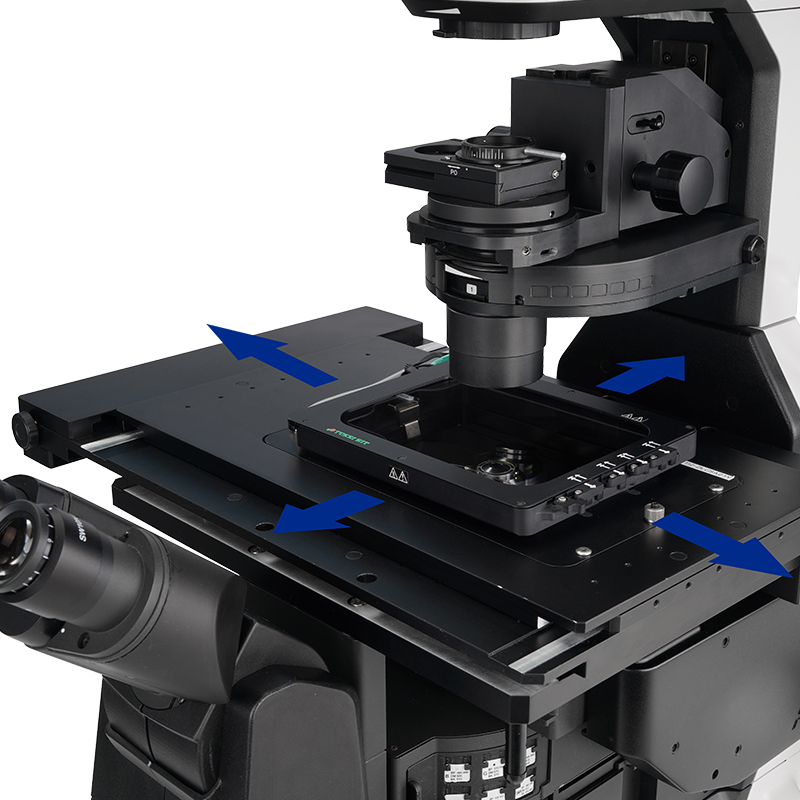
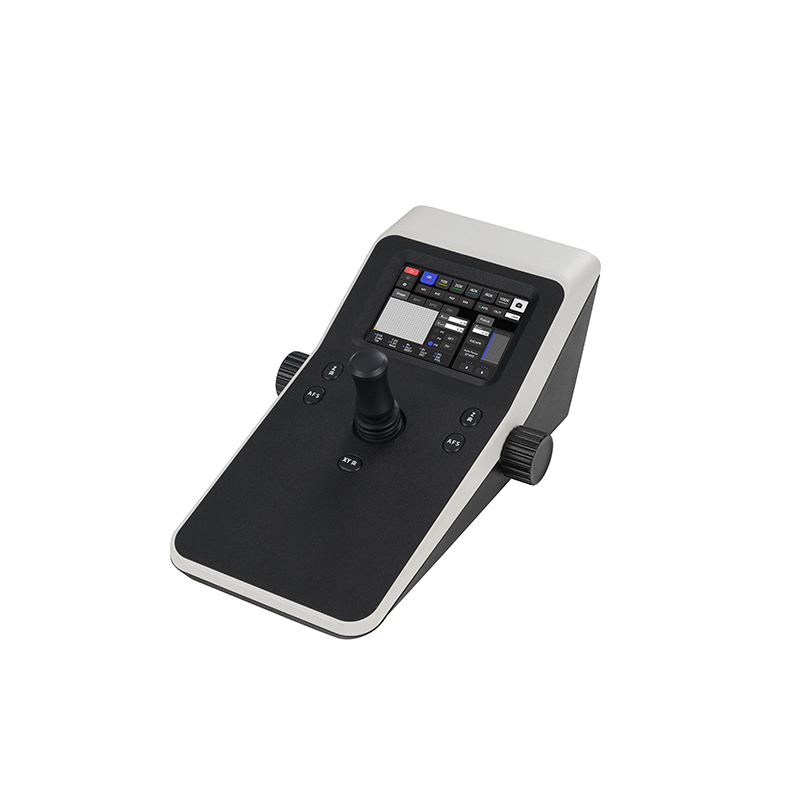
XY Motorized Stage:
Responsive travel and stable positioning, paired with intuitive joystick control for effortless operation.

Observation Modules:
User‑friendly operation and seamless modality switching, creating an efficient imaging workflow for researchers.

Objectives:
Optimized objective‑turret mechanics greatly improve switching speed for faster, more precise optical‑path transitions.

Robust Application Expandability
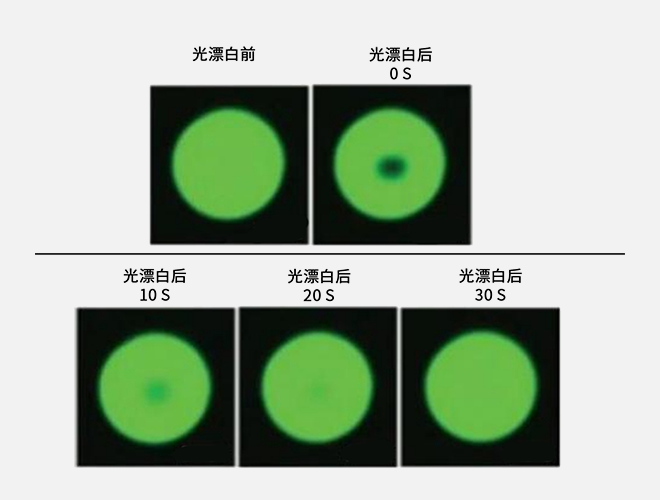
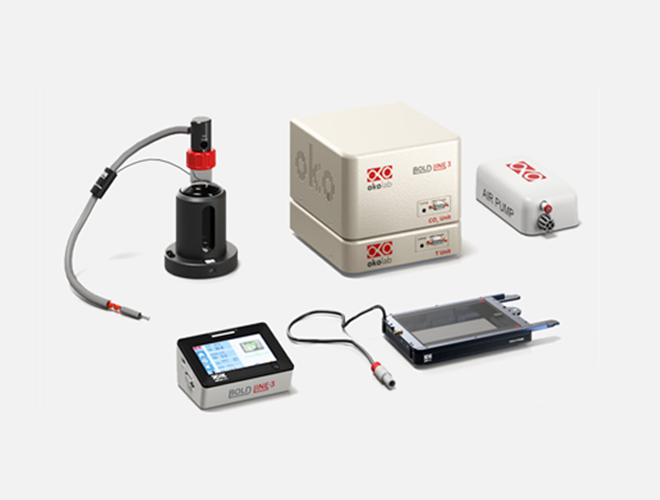
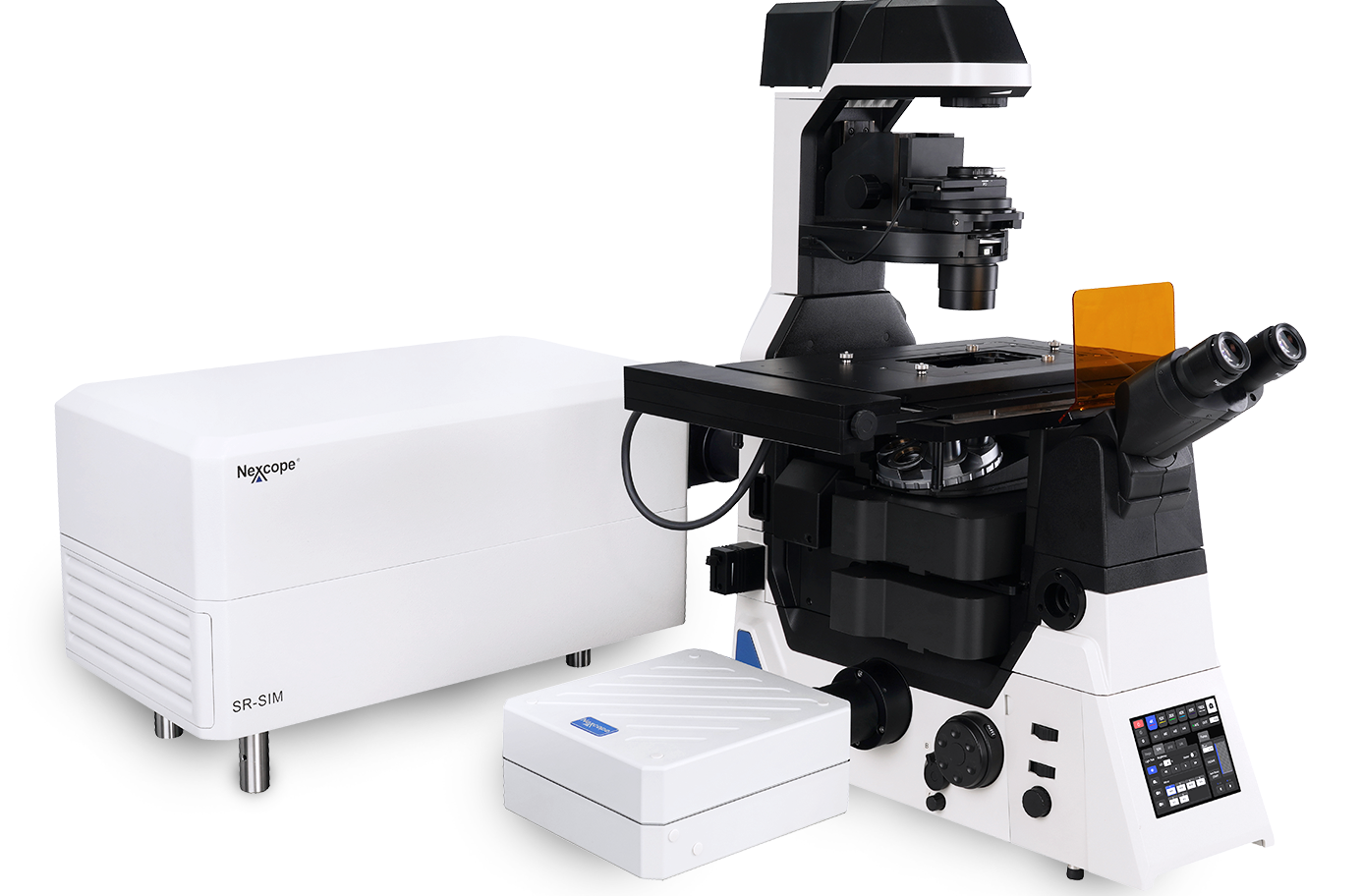
Benefiting from tunable structured‑light technology and the flexible microscope imaging platform, the NCF2000 offers excellent expandability. Users can readily add various application accessories including live‑cell incubation systems, super‑resolution modules, and FRAP (Fluorescence Recovery After Photobleaching) modules to satisfy diverse experimental scenarios. It delivers comprehensive, efficient solutions for cell biology, molecular biology, biomedical research and other disciplines.